Niantic built something
extraordinary. Then sold it
for $3.5 billion.
Pokémon GO launched in 2016 and became the fastest mobile game to reach $1 billion. It got people off their couches, into parks, talking to strangers. Then Niantic started squeezing — Remote Raid price hikes, pay-to-win mechanics, pandemic feature rollbacks. On May 29, 2025, Scopely closed a $3.5 billion acquisition. Pokémon GO now belongs to a company ultimately owned by Saudi Arabia's Savvy Games Group. Here is the honest story of what Niantic built, what it did wrong, and what comes next.
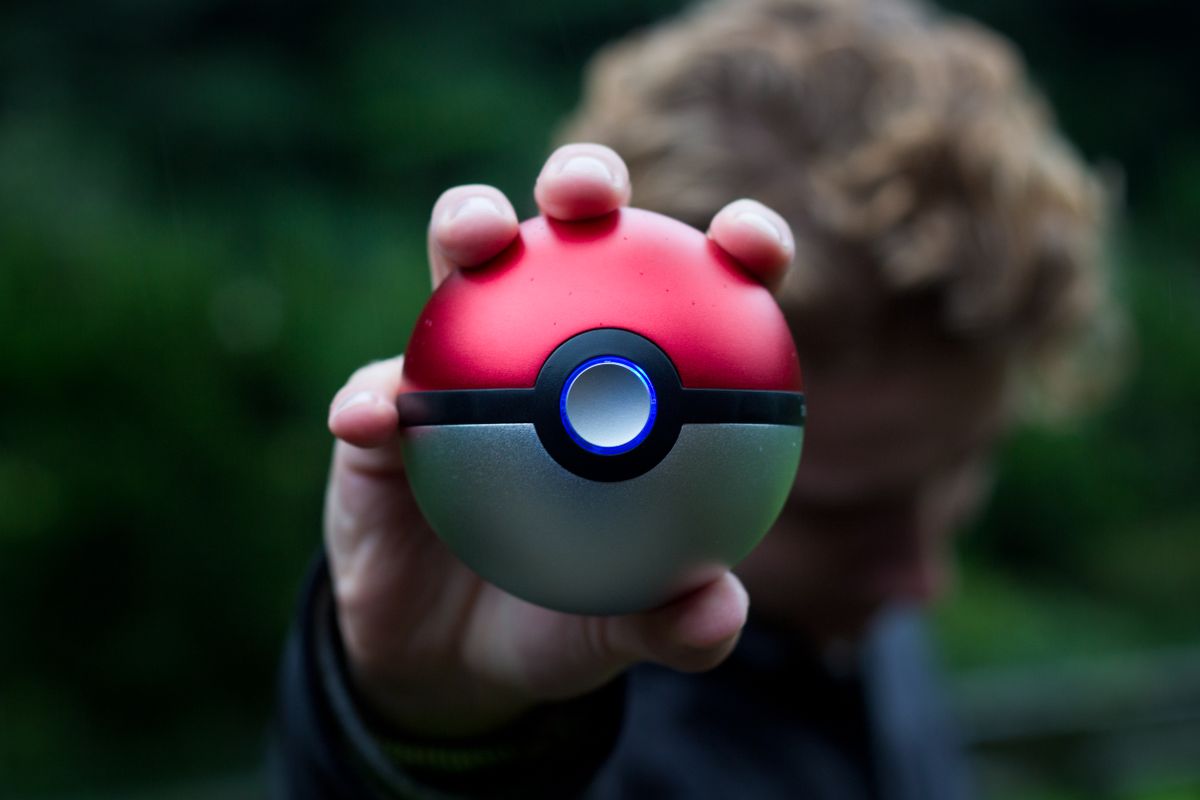
Let's start with the credit, because it is genuinely deserved. When Pokémon GO launched on July 6, 2016, it was something that had never existed before. Not technically — augmented reality had been around for years — but culturally. A mobile game that made millions of people walk to places they had never been, stand in parks at midnight catching virtual creatures with strangers, form friendships over raid battles in shopping centre car parks. It attracted more than 100 million players in 2024 alone. It has never left the top 10 mobile titles since launch.
I played it. I got decently far. I know the feeling of spotting a rare spawn on the map, the satisfaction of a perfect throw on a legendary, the community of raid groups that forms around a gym at 6pm. Niantic built something that connected people to the real world through a fictional one — and for a while, it worked beautifully.
The trouble started when Niantic decided the connection was not the product. The location data was.
The controversies — a timeline of Niantic testing its community
// Chapter 01 — From phenomenon to frustration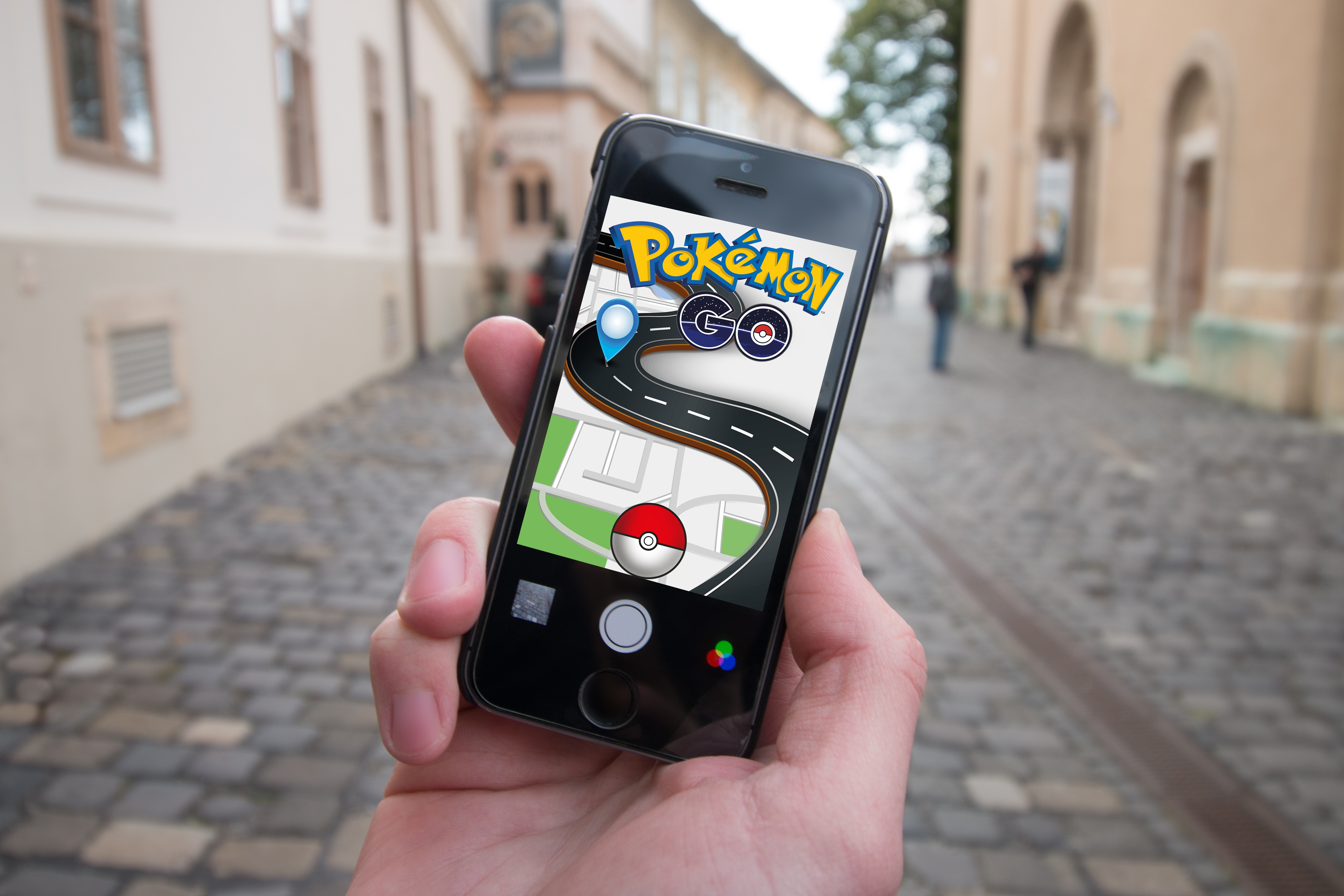
The first paid ticket event in Pokémon GO was "A Colossal Discovery" in 2019, centred around the Sinnoh legendary Pokémon Regigigas. For $7.99, players could encounter the titan after completing Special Research. Most players accepted this. It felt like a reasonable exchange.
Then the events multiplied. Then the prices climbed. Then the pandemic happened — and Niantic, under pressure, expanded Remote Raid Passes so players could raid without leaving home. Those passes became beloved by players with disabilities, rural players, and anyone whose life made getting to a physical gym difficult. Then the pandemic ended and Niantic announced the stay-at-home features would be rolled back, sparking community outcry and a one-day boycott.
The Remote Raid Pass controversy ignited protests — but it was symptomatic of a larger trend. Players felt the game was becoming increasingly pay-to-win, with valuable items and features locked behind paywalls. Events, which were once a celebration of the game, began featuring exclusive content accessible only to those willing to spend money.
Then Niantic tweeted a Rotten Tomatoes-style score for "going outside" with the hashtag #GetOutside — mocking the players who had just told the company their experience was being degraded. The tweet only served to further infuriate fans, who saw it as evidence that Niantic was neglecting their concerns. Niantic later took the tweet down. The damage was done.
The sale — $3.5 billion and a new owner you might not have expected
// Chapter 02 — What actually happened on May 29, 2025Mobile gaming giant Scopely acquired the games division of Niantic — including Pokémon GO, Pikmin Bloom, and Monster Hunter Now — in a deal valued at $3.5 billion. Niantic's game teams continued under their existing studio leaders Kei Kawai and Ed Wu as they joined Scopely's workforce.
The deal closed on May 29, 2025, 11 weeks after the acquisition plan was publicly announced. Pokémon GO generated 95% of Niantic's player spending across the App Store and Google Play across the decade of its existence. It was the game that built Niantic. And Niantic sold it.
The detail that got buried in coverage: the acquisition ultimately brings Pokémon GO under Saudi Arabian ownership — Savvy Games Group is Scopely's parent company. Savvy is the gaming arm of Saudi Arabia's Public Investment Fund. The same fund behind LIV Golf. This is not inherently sinister — sovereign wealth funds own significant portions of many beloved brands. But it is a material fact about who now controls a game played by over 100 million people, and the community deserved to have it stated clearly.
What remained with Niantic after the sale was not the games — it was the spatial intelligence platform. Niantic Spatial Inc., led by founder John Hanke with $250 million in capital, focuses on VPS access, AR infrastructure, and spatial computing tools for enterprise and smart city applications. The games were valuable. The spatial data was the long-term bet. Niantic built Pokémon GO to map the world. Having mapped it, they sold the map-gathering tool and kept the map.
The creators who built the community
// Chapter 03 — BrandonTan91, Mystic7, ZoëTwoDots and the people who kept millions playing
These three creators — and dozens of others in the community — did something that Niantic's own marketing could not do: they made people care about the game at a personal level. BrandonTan91's grind videos made elite play feel aspirational. Mystic7's vlogs made the community feel warm and welcoming. ZoëTwoDots made the game's mechanics feel knowable and mastered. Together they built an audience of tens of millions who kept logging in through every controversy.
The community was not passive. When Niantic made decisions that hurt players, the creators said so. When the Remote Raid controversy hit, the community response was organised, vocal, and had real commercial impact. Niantic's revenue dropped measurably after the Remote Raid changes. The players had leverage — they just had to be willing to use it.
Is Pokémon GO still worth playing in 2026?
// Chapter 04 — The honest answerUnder Scopely, the game has continued — the dev team stayed intact, the events continue, the core gameplay is unchanged. Niantic's director of communications stated clearly that intrusive ads will not come to Pokémon GO: "We will not be bringing intrusive ads to Pokémon Go, not now, not ever." That promise has held so far.
But Scopely's business model is live-service monetisation. Their portfolio — Monopoly GO, Star Trek Fleet Command, Marvel Strike Force — all feature aggressive spending mechanics. The concern the community holds is not that Scopely will immediately wreck the game. It is that over time, the monetisation will be optimised in ways that Niantic, for all its flaws, was at least occasionally restrained by its own sense of the community's tolerance.
The honest answer is: it depends on how you play. If you are a free-to-play player who enjoys the social experience, community days, and casual catches, Pokémon GO in 2026 still delivers that. If you are a competitive player who needs remote raiding access and the best movesets on the best Pokémon, the cost of keeping up has increased significantly over the last few years and will likely continue to increase.
The game that launched in 2016 — free, open, genuinely joyful — is a different game from the one that exists today. That is not entirely Niantic's fault. Running a live-service game at global scale for ten years is genuinely hard, and the business needs to make money. But the direction of travel has been consistently toward extraction, and the community has noticed.
What Niantic got right — and what the industry should learn
// Chapter 05 — The legacy, honestly assessedDespite everything, Niantic built something genuinely important. The idea that a mobile game could be a reason to explore your city, to meet strangers, to walk further than you otherwise would — that idea worked. It produced billions in revenue, hundreds of millions of downloads, and a community with genuine warmth that persists today.
The lesson for the industry is not "do what Niantic did." It is "understand what Niantic got right at the start and do not abandon it for short-term extraction." The game was great when the experience of playing it — walking, exploring, catching, trading — was genuinely rewarding regardless of how much you spent. The moment the best experience became gated behind payment, the relationship with the community changed fundamentally. That change is irreversible. You can patch the game. You cannot unpatch the trust.
Niantic built the world's most successful location-based game. Then it discovered that the location data was more valuable than the game. Whether Scopely and Savvy Games understand that the community is also an asset — not just a revenue stream — will determine whether Pokémon GO is still worth playing in 2030.
The stack for mobile players who take privacy seriously
Pokémon GO tracks your location. So does every app on your phone. Here is how to take back some control. Affiliate links — helps keep Forge Vertical running.